Rust Solo Sentinel Base Next To Oil Rig
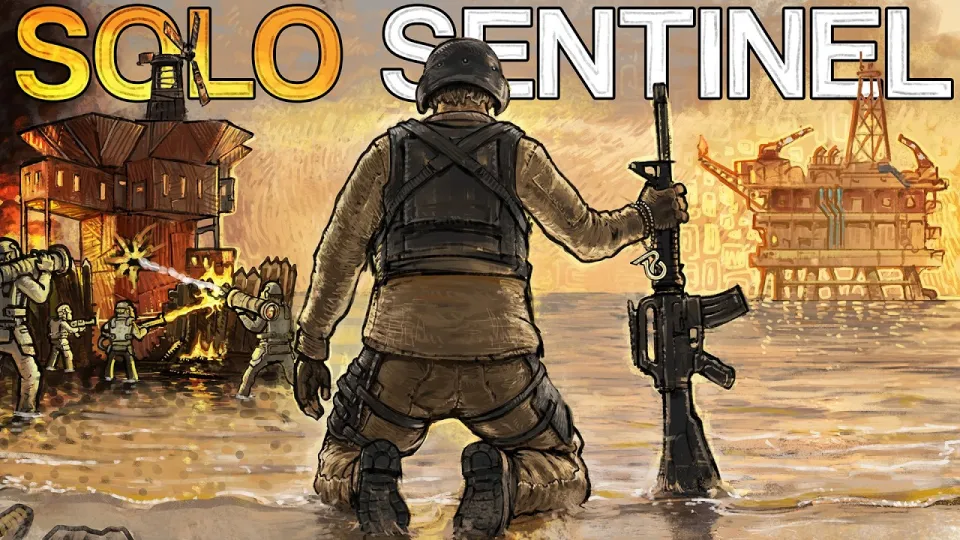
Video: The Solo Sentinel - Rust
Need articles like this for your video? They help promote it on YouTube and Google — order them in the Telegram bot @sat_sit_bot. The bot writes and publishes the articles itself (with your YouTube video embedded) on popular topical websites (no ads). Free trial — 50 articles.
· based on the channel Blooprint
Rust solo survival is about picking ground you can actually hold, and the strongest version of that idea is building a base right next to the oil rig monument. In Blooprint's solo run, one player turns a high-traffic PvP zone into a permanent ambush point, defends it with turrets and constant upgrades, and forces a raiding group to spend real rockets to break in. The full run is on the channel, and the stream continues live at Blooprint's Twitch channel.
What the solo sentinel strategy means in Rust
The solo sentinel approach is simple to describe and hard to execute: instead of hiding in a quiet corner of the map, a lone player claims a base slot beside oil rig and treats every passing team as content. Oil rig is one of the most contested monuments in the game, because it hands out military crates, elite crate loot and heavy scientist fights, so groups rotate through it constantly. A base within sight of the rig gives a solo player three things at once: a short trip to loot, early warning on incoming teams, and a spawn point that lets them re-enter a fight instead of losing the whole session.
The trade-off is that the same base is visible to everyone. That is why the run leans on defense layers rather than raw gear: turrets covering the approaches, sealed rooms so a single breach does not expose the whole loot room, and repeated upgrades as materials come in. The build is designed to survive the first raid, not to look pretty.
How the base defense holds against rockets
Defense in this style comes down to making a raid expensive, and the run shows that a solo can do it with preparation rather than numbers.
- Turrets cover the exposed sides of the base and punish anyone who walks up without scouting first.
- Every room gets sealed, so a rocket through one wall does not open a path to the core loot.
- Upgrades happen continuously, including late at night, because a stone wall on wipe day is a wooden wall by the weekend.
- Code locks and doors are placed early, so a fresh spawn cannot simply walk in during the first hours.
The raid that closes the run is a rocket push, and it lands as a close loss rather than a walkover. The attackers commit serious explosives to get in, which is the real measure of a solo base: if a group has to spend a raid's worth of rockets on one player, the defense did its job.
Why solo Rust content resonates with viewers
Solo play changes how a Rust video works. With no team comms to fill the audio, the creator narrates decisions directly to the audience: why a fight is taken, why a wall is upgraded, why a rotation to the rig is worth the risk. Viewers consistently describe that play-by-play as the reason they prefer solo runs over team wipe movies, where fast progression to tier 2 and tier 3 gear in twenty minutes can flatten the story.
A solo run also has stakes that are easy to follow. One death can cost a full kit, one bad raid can end the wipe, and the struggle is relatable for anyone who has lost a base at 3 AM. That narrative pull is why the comments under this video push for more solo uploads and for the return of small-group collab formats where random teammates join along the way.
Common questions and doubts from the Rust community
Most of the discussion around this run circles the same few points, and they are worth addressing directly.
- Is a base next to oil rig suicide for a solo? It is high risk, but the risk is the point. The base only works with turrets, sealed rooms and enough materials to keep upgrading, so it suits players who farm efficiently and enjoy PvP pressure.
- Do viewers want solo or team content? The response to this video leans strongly solo, with the caveat that people also enjoy collabs with random players met along the way. The common thread is personality and explanation, not the group size.
- How do you make a solo base last? Seal every room, keep the loot split across multiple rooms, place turrets before you think you need them, and upgrade outer walls first.
- What does a successful defense look like if the base still falls? A raid that costs the attackers a full rocket budget and hours of time is a defense that worked, even when the core is lost.
Where to follow Blooprint and the community
All of the creator's platforms and community spaces are collected here:
Final thoughts on the solo sentinel run
The solo sentinel concept works because it turns a solo wipe into a story with a fixed location, a clear antagonist and a defense that has to be earned. Building beside oil rig is not a safe play, but it generates fights, loot and pressure that a quiet corner of the map never will. Blooprint's breakdown of the run shows both sides of that bargain: the satisfaction of holding a base alone and the reality of losing it to a determined rocket raid. For players tired of watching teams snowball through a wipe, this is the version of Rust that still feels tense. Follow the channel on Twitch to catch the next wipe live.
Key takeaways
- Blooprint's solo run is built around a base placed directly next to the oil rig monument, turning a high-traffic PvP zone into a permanent ambush point.
- The video was published on 13 July 2026 and focuses on solo base defense rather than fast team progression to tier 2 and tier 3 gear.
- Defense layers in the run include turrets, code locks and constant upgrades, with base work continuing late into the night.
- The run ends in a close loss to a rocket raid, but the attackers' effort shows how much the defense slowed them down.
- Viewer feedback pushed hard for more solo content, citing the play-by-play commentary and relatable struggle as the main draw.
Source: The Solo Sentinel - Rust · Markdown version
Questions & answers
Why build a base next to oil rig as a solo player in Rust?
Oil rig is one of the most contested monuments in the game and drops military and elite crate loot, so teams rotate through it constantly. A base within sight of the rig shortens the trip to loot, gives early warning on incoming players and lets a solo re-enter fights quickly. The cost is visibility, which is why the build depends on turrets, sealed rooms and steady upgrades.
How does a solo player defend a base against a rocket raid?
Make the raid expensive. Cover exposed approaches with turrets, seal every room so one breach does not expose the loot, keep materials flowing into wall upgrades and place code locks early. Even when the base eventually falls, forcing a group to spend a full rocket budget on one player means the defense did its job.
Is solo Rust content better than team wipe videos?
It depends on what you watch for. Solo runs give the creator room to narrate decisions directly to the audience, which makes the play-by-play easier to follow and the losses more relatable. Team videos often skip to fast tier 2 and tier 3 progression, which some viewers find less engaging than a slow, risky wipe.
What is the best way to learn base defense from a solo run?
Watch how the base is layered rather than how the fights end. Note where turrets are placed, which rooms are sealed first, when upgrades happen relative to wipe timing, and how the player reacts once a breach occurs. Applying those habits to your own build matters more than copying the exact layout.